The Psychology Behind Bluffing
Bluffing in poker is not merely a tactic; it is an intricate dance of psychological warfare between players. The essence of bluffing lies in the ability to project confidence and induce a reaction from opponents that favors your game plan. Understanding the psychology behind your opponents can provide a significant edge, especially when considering the growing popularity of esports betting sites that bring new dynamics to gambling. Players often exhibit tells—subtle cues or behaviors that reveal their hand strength. By analyzing these tells, a skilled bluffer can better gauge whether their bluff has the potential to succeed.
Furthermore, the mental state of your opponents plays a crucial role in the art of bluffing. A player who is eager to win may be more susceptible to deception than one who is cautious. For instance, if an opponent has just lost a significant pot, they may become emotionally invested in making a comeback and might call a bluff out of desperation. This dynamic is essential to consider when deciding whether to bluff and how to frame the story you want to tell with your betting patterns.
Ultimately, successful bluffing requires a deep understanding of both your opponents and yourself. You must be able to gauge when it is better to bluff and when it is wiser to lay low. The best players often embrace a flexible strategy, adapting their approach based on the evolving dynamics of the table. By mastering these psychological elements, players can elevate their bluffing techniques, making their gameplay more unpredictable and challenging for opponents.
Choosing the Right Moments to Bluff
Knowing when to bluff in poker is as crucial as the act itself. A well-timed bluff can yield substantial rewards, while a poorly considered one can lead to significant losses. Players should assess several variables before deciding to go all-in on a bluff. One key factor is the board texture; if the cards on the table suggest a strong hand, players may be more inclined to believe a bluff. Conversely, if the community cards are disconnected and unlikely to improve hands, they might be more vulnerable.
Another vital element is your table image. If you have been playing conservatively, your opponents are more likely to respect your bets, making your bluff more effective. Conversely, if you’ve been overly aggressive, your opponents may call your bluff more readily. Thus, maintaining the right table image and adjusting it as needed can significantly enhance your bluffing strategy. For instance, after winning a few pots with genuine hands, you might gain the credibility to attempt a bluff.
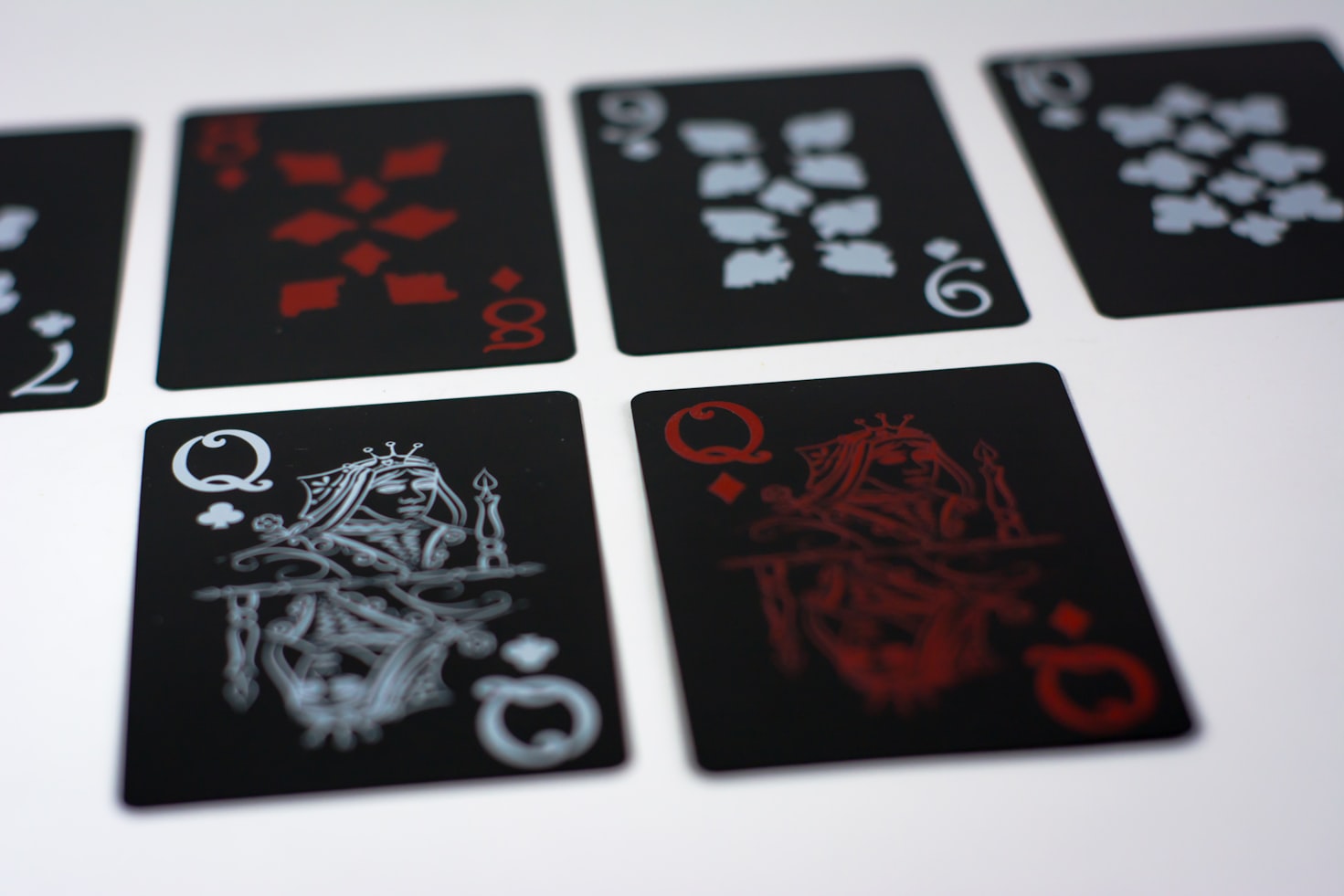
Additionally, understanding the tendencies of your opponents is imperative. If you are playing against a cautious player who is less inclined to gamble, your chances of a successful bluff increase. However, against aggressive players who are willing to challenge your bets, bluffing may become a risky endeavor. This awareness allows players to craft their bluffing strategies around the unique dynamics of each game, ensuring that their attempts are well-considered and likely to succeed.
Reading Opponents and Betting Patterns
Part of the art of bluffing is the ability to read your opponents effectively. Each player brings their unique style to the table, and as a bluffer, your task is to decode these styles to maximize your chances of success. Paying close attention to betting patterns can reveal a wealth of information about the strength of an opponent’s hand. For instance, if a player consistently raises after the flop, they likely have a strong hand or are attempting to protect it. Recognizing these patterns can inform your decision to bluff or fold.
Moreover, observing physical tells can also provide valuable intel. Players may exhibit nervous habits when they are uncertain or lie about the strength of their hands, such as fidgeting or avoiding eye contact. A skilled bluffer will gather these clues to assess the overall strength of their opponents’ hands. For example, if a player suddenly becomes more engaged after betting heavily, it might indicate confidence in their hand, prompting the need for a more strategic bluff or a withdrawal from the hand.
Additionally, using your own betting patterns to manipulate opponents is a powerful tactic in bluffing. By creating situations where your actions could be interpreted in multiple ways, you increase the ambiguity of your gameplay. For instance, betting aggressively on a perceived strong hand may induce opponents to fold their weaker hands, allowing you to capitalize on their uncertainty. This strategic misdirection is crucial in maintaining an advantage at the poker table and executing successful bluffs that leave opponents guessing.
Building a Winning Bluffing Strategy
Developing a comprehensive bluffing strategy requires practice, patience, and a deep understanding of the game. One effective approach is to ensure that bluffing is woven into your overall strategy rather than being a standalone tactic. This means incorporating a variety of bluffing methods such as semi-bluffing, where you bet with a hand that has the potential to improve, thereby providing a safety net if the bluff does not succeed. This method not only bolsters your chances of winning the current pot but also enhances your credibility as a player.

Additionally, consistency is key in establishing a successful bluffing strategy. Developing a habit of bluffing intermittently can prevent opponents from easily identifying your patterns. If you bluff too infrequently or excessively, you risk becoming predictable. A well-balanced approach, where bluffing fits seamlessly into your overall strategy, ensures opponents remain on their toes and unsure of your betting intentions. This unpredictability is essential for maintaining a competitive edge.
Finally, reviewing your gameplay after each session can offer critical insights into the effectiveness of your bluffing strategy. Analyzing hands where you attempted to bluff can illuminate the reasons for success or failure. Over time, you can refine your approach based on these reflections, bolstering your skill set and improving your overall poker prowess. This iterative process transforms bluffing into a calculated art form rather than a mere gamble.
Exploring Online Resources and Communities
In today’s digital age, aspiring poker players have access to a wealth of resources designed to enhance their understanding of bluffing and overall gameplay. Online forums, dedicated websites, and instructional videos provide invaluable insights and tips from seasoned players. Engaging with these communities allows players to share experiences, discuss strategies, and gain feedback on their bluffing techniques. This interaction serves to foster growth and continuous improvement within the poker community.
Moreover, many online platforms offer poker simulations where players can practice their bluffing in a risk-free environment. These simulations allow for experimentation with different bluffing tactics without the pressure of real stakes. By honing skills in a simulated setting, players can develop their strategies more effectively before applying them in live games. This practice is invaluable for mastering the nuances of timing and execution when it comes to bluffing.
Additionally, many poker training sites provide access to professional coaching, where players can benefit from personalized feedback. This tailored approach can address specific weaknesses in a player’s game, particularly in the realm of bluffing. By leveraging these resources, players can build a more robust understanding of poker and develop the confidence needed to execute effective bluffs in various game scenarios.