Understanding the Basics of Bluffing
Bluffing in poker is a strategy that involves convincing opponents that you hold a stronger hand than you actually do. Mastering this art requires a solid grasp of the game’s fundamentals, including understanding positions at the table and reading opponents. Many players also enjoy playing at an online casino australia for a change of pace, which can add to their overall experience. Effective bluffs often rely on meticulous timing; a well-timed bluff can lead to a significant pot, while a poorly executed one can cost you dearly. Knowing when to bluff and when to fold is crucial in this high-stakes environment.
It’s important to recognize that bluffing is not merely about lying; it’s about manipulating the perception of others. Players must analyze the tendencies of their opponents, identifying who is likely to fold under pressure and who may call any bet. For example, if you’re up against a player known for being overly cautious, your chances of success when bluffing increase significantly. Confidence in your approach can often influence your opponents’ decisions, leading them to believe in the strength of your hand.
Furthermore, bluffing necessitates a deep understanding of the game dynamics. A player must consider their table image, which is how other players perceive their style and tendencies. If you have established yourself as a tight player, your bluffs may carry more weight, as opponents might be more inclined to believe that you have a strong hand. Conversely, if you consistently engage in aggressive behavior, your bluffs may not be taken seriously. Thus, the art of bluffing often hinges on a blend of psychological insight and strategic gameplay.
The Psychology Behind Bluffing
The psychology of poker is complex, and bluffing is at its core a psychological battle. Players often gauge their opponents’ reactions, using body language and betting patterns to infer the strength of their hands. A skilled bluffer will cultivate a calm demeanor and an unchanging approach, making it difficult for opponents to read their intentions. This stoicism can create an air of confidence that may compel opponents to fold their hands, even against seemingly strong cards.
Moreover, understanding your own psychological state is equally important. Emotions such as fear, excitement, and frustration can influence decision-making at the poker table. A successful bluffer must be able to separate their emotions from their gameplay, maintaining a clear focus on strategy. Engaging in deep breathing techniques or using visualization strategies can help players stay calm under pressure, thus enhancing their bluffing capabilities.

The psychological aspect of bluffing can also be seen in the concept of «telling.» A tell is an unconscious signal that reveals the strength of a player’s hand. Mastering the art of bluffing involves not only understanding your opponent’s tells but also controlling your own. Ensuring that you don’t inadvertently reveal information through body language or betting patterns is vital. By doing so, you can maintain the element of surprise long enough to execute a successful bluff.
Techniques for Effective Bluffing
There are several techniques players can adopt to enhance their bluffing strategies. One popular approach is the “semi-bluff,” which involves betting on a hand that may not currently be strong but has the potential to improve with subsequent cards. This technique can be especially effective in drawing hands, as it combines the advantages of bluffing with the possibility of hitting a good card. For example, if you hold two suited cards and the flop brings another of the same suit, a bluff may extract value from your opponents who are less likely to suspect a drawing hand.
Another effective technique is the «reverse tell.» This method involves deliberately giving off signals that suggest weakness while actually holding a strong hand. By appearing hesitant or unsure, you can induce your opponents to bet more aggressively, allowing you to trap them and ultimately maximize your winnings. This requires a keen understanding of the game’s nuances, as your performance must remain consistent throughout, preventing opponents from catching on to your strategy.
Additionally, it’s crucial to vary your bluffing frequency to keep opponents guessing. A predictable player can easily become a target for savvy opponents who recognize your patterns. By mixing in occasional bluffs with solid hands, you maintain a level of uncertainty about your gameplay. This unpredictability can create opportunities for larger pots as opponents second-guess their decisions, making them vulnerable to your strategic moves.
Analyzing Opponents’ Reactions
Reading opponents’ reactions is a key component of successful bluffing. Players should pay attention to subtle cues such as facial expressions and physical movements, as these can reveal the strength or weakness of their hands. For instance, if an opponent seems anxious or overly tense after a significant bet, it may indicate uncertainty regarding their hand. Conversely, if a player appears relaxed and confident, they may be holding a strong hand. Understanding these signs can provide invaluable insights into the best moments to bluff.
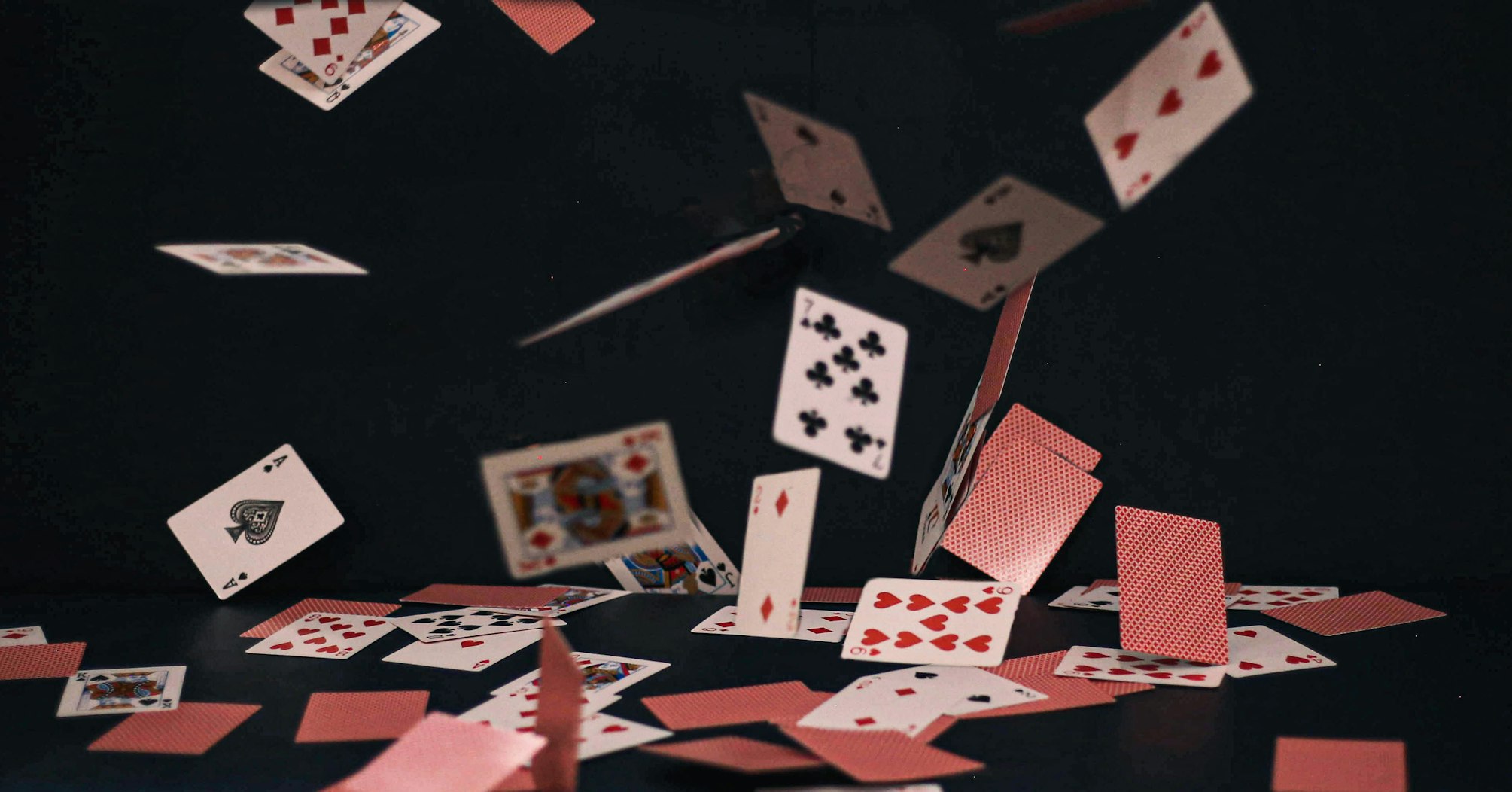
The betting patterns of opponents can also provide crucial information. A sudden large bet or raise may indicate strength, while a check or minimal bet could suggest weakness. Skilled players can exploit these tendencies by bluffing in situations where opponents are likely to fold. Observing the flow of the game allows you to adapt your strategy based on the changing psychological landscape of the table.
It is essential to remain aware of the table dynamics and how they affect each player’s psyche. Each session can introduce new variables, requiring a flexible approach to bluffing. For example, a player who previously folded frequently may become emboldened after winning a few hands. The ability to adjust your strategy based on these shifts can make the difference between a successful bluff and a costly mistake.
Learn More and Develop Your Skills
To truly master the art of bluffing, continuous learning and practice are vital. Engaging in poker discussions, reading books by professional players, and analyzing your gameplay can lead to significant improvements. Many well-rounded players recommend reviewing important hands after each session to evaluate your bluffing techniques critically. This reflection can highlight areas for improvement, ensuring that your strategies evolve over time.
Additionally, consider participating in poker forums or joining local poker clubs where you can observe and analyze different playing styles. The exchange of ideas and strategies among fellow players can introduce you to new concepts and methodologies that may enhance your bluffing techniques. Collaborative learning can be incredibly beneficial, as it exposes you to various perspectives and experiences.
As you delve deeper into the nuances of bluffing and poker strategy, remember that every player is unique. Developing your personal style of bluffing, while incorporating insights from your studies and experiences, will provide you with a competitive edge. With dedication and practice, you can elevate your poker game and ensure that your bluffing skills become an integral part of your strategy.